

The Spinning Wheel, the Big Multipliers, and the Chaos Behind It All
If you’ve ever watched someone play Crazy Time and found yourself genuinely confused about what’s happening — you’re not alone. It looks like a carnival exploded inside a TV studio. There’s a giant wheel, a very enthusiastic host, flashing lights, and players screaming in the chat. But underneath all that spectacle, there’s actually a pretty logical structure. Once you understand how it works, the whole thing makes a lot more sense.
What Makes Live Game Shows Different from Regular Casino Games
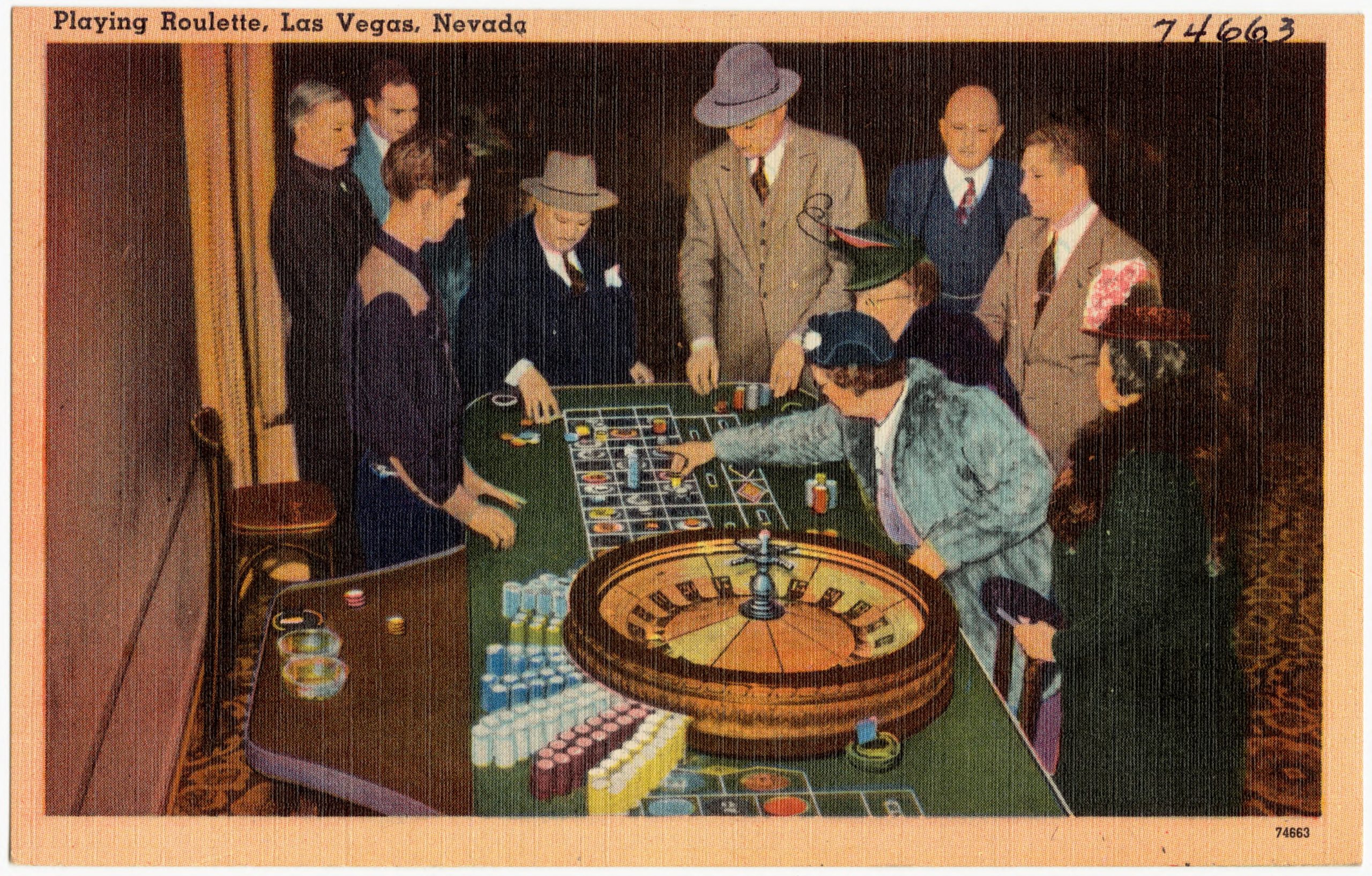
Traditional live casino games — blackjack, roulette, baccarat — are built around established rules that have existed for centuries. Live game shows are a different beast entirely. They blend elements of TV entertainment with casino mechanics, and the result is something that feels more like watching a game show than sitting at a table.
The key ingredient is a human host, or presenter, running the action in real time. They spin wheels, flip cards, open boxes — whatever the format requires. The interaction feels live because it genuinely is. You’re watching a real person in a real studio, and the outcome of every round depends on physical results, not just a random number generator running silently in the background.
How the Main Wheel Actually Works in Crazy Time
At the center of Crazy Time is a large physical wheel divided into segments. Each segment corresponds to either a cash multiplier or a bonus round. Players bet on which segment they think the wheel will land on before each spin.
The simplest bets are the number segments — land on that number, and you multiply your bet by that amount. But the more exciting stops on the wheel are the four bonus rounds, which each trigger a completely separate mini-game:
- Coin Flip — A straightforward red or blue flip with multipliers applied before the result
- Cash Hunt — A grid of symbols is revealed; players shoot at one to win a hidden multiplier
- Pachinko — A puck drops through a peg board and lands on a multiplier at the bottom
- Crazy Time — The big one. A massive virtual wheel spins with potentially enormous multipliers attached
What makes this genuinely clever design is that the bonus rounds aren’t just cosmetic. They actually introduce a second layer of randomness — and a second chance for multipliers to stack up in ways the base wheel alone can’t produce.
The Role of Multipliers and Why They Matter
Before each spin, a random multiplier gets applied to certain segments on the wheel. This is called the “Top Slot” mechanic in Crazy Time, and it’s what makes one spin potentially worth much more than the last. The same segment might be worth double at one point, then ten times more just a few spins later.
This keeps things unpredictable in a way that pure odds alone wouldn’t. You might bet the same way for ten rounds in a row, but your potential return changes every time the multiplier is redrawn. It’s part of what makes the format so watchable — even if you’re not playing, you’re always wondering what the next spin might hit.
Other Game Shows Built on Similar Principles
Crazy Time is probably the most recognizable, but it’s part of a wider category of live game shows using the same core formula. Dream Catcher was one of the earliest — a simpler spinning wheel without the bonus rounds. Monopoly Live adds a 3D animated board game sequence. Funky Time goes even further with multiple wheels running simultaneously.
The pattern is consistent: a base betting mechanic, a live presenter keeping energy high, and at least one bonus trigger that opens up elevated multipliers. Strip away the theme and the branding and they’re all variations on the same idea.
Is There Any Strategy Involved?
Honestly? Not much, and it’s worth being upfront about that. These are games of chance. You’re betting on where a wheel lands, and no system changes the underlying probability of each segment coming up. What you can do is make informed choices about where you’re placing your bets relative to the frequency and multiplier potential of each segment.
If you enjoy following odds and predictions across different formats — the way sports bettors approach something like Group I matchups heading into the 2026 World Cup — you’ll recognize the same instinct: read the setup, consider the variables, and place your bet with eyes open.
Speaking of which, if you’re curious how that thinking applies to specific fixtures, breaking down the Belgium vs. Egypt starting lineups and what they mean for betting markets is a useful read.
Where the casino Fits In
the casino carries a solid selection of live game shows, including titles from the major studios driving this format forward. If you’re new to it, the best approach is to watch a few rounds before jumping in — get a feel for the pace, the bonus triggers, and the betting options. The format rewards familiarity.
And once you’ve got the basics down, Crazy Time in particular becomes a lot more fun to follow — whether you’re deep in a session or just watching the wheel spin from the sidelines.
Leave a Reply