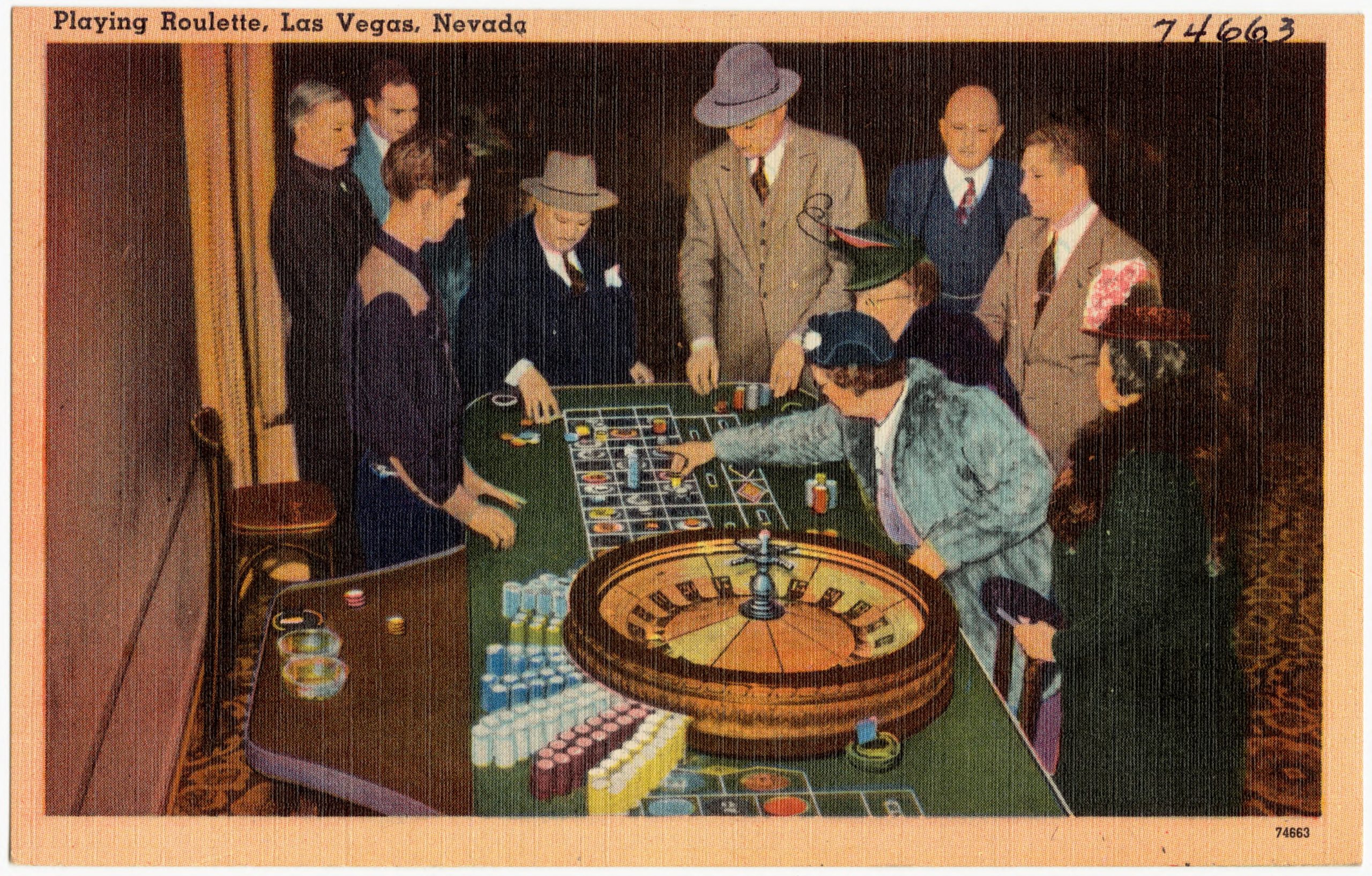
Category: Live Casino

Live casino games and live dealer experiences

  • Your First Live Blackjack Table: What Actually Happens

    Your First Live Blackjack Table: What Actually Happens

    Your First Live Blackjack Table: What Actually Happens

    There’s something different about live blackjack. You’re not staring at an animation. There’s a real dealer, real cards, real people around you — or at least the illusion of it, which your brain doesn’t always distinguish. If you’ve only played RNG blackjack or slots like Coin Blitz: RUNNING WINS™ 3×3 RTP — 96.12% Return Rate | High RTP Slot | Fugaso at GojiCasino, the experience feels almost foreign. The pacing is slower. The pressure is different. And yes, you will second-guess your decisions more.

    First thing: the table won’t look like the movies. The felt is tighter than you’d think. The dealer sits in a specific position — usually centered, sometimes at an angle depending on the studio setup. Shoe is to their left or right. You don’t touch the cards; that’s rule number one. The dealer handles everything. Your job is to signal with hand gestures: tap for hit, wave off for stand, sometimes a sideways chop for split. It’s awkward the first time, especially if you’re used to clicking buttons.

    The Actual Pace Will Slow You Down

    Online blackjack at GojiCasino or anywhere else moves at your speed. Click, next hand, click again. Live is not like that. Even in fast-paced tables, there’s shuffle time, dealing time, betting window time. In a single-deck or shoe game with reshuffling, you might play 30 hands in an hour. RNG games? You’re looking at 200+. This matters for your bankroll. If you’re used to grinding, live forces you to slow down.

    And the betting window closes. You can’t change your bet after the hand starts. No panic raises, no “wait I want to double down on this one actually.” The dealer calls it. If your hand isn’t in before the cards fly, you’re not in.

    That timing pressure hits different. It’s not a mathematical issue — your decisions shouldn’t change just because a timer exists — but psychologically? Humans don’t love being rushed, especially with money on the table.

    You’ll Notice Other Players, Whether You Want To or Not

    Basic strategy says the other players’ decisions don’t mathematically affect your odds. That’s true. But watching someone hit on 16 while you’re holding 15 is annoying. Or worse: they hit and catch the card you “would have gotten.” Your brain will absolutely make that connection, even though it’s meaningless.

    Live blackjack isn’t solo. You’re sharing a table with strangers (or friends, which can be weirder). Some tables have a friendly vibe. Others are quiet and tense. The dealer’s personality matters more than you’d expect. A chatty dealer makes losing less grating. A silent one can make a small downswing feel brutally long.

    If you’re the type who overthinks decisions, other players will rattle you. Someone will make a “wrong” play that you think costs you a hand. You’ll remember it for three more rounds.

    The House Edge Stays the Same, Your Variance Gets Amplified

    Here’s what doesn’t change: blackjack is still blackjack. The house edge is still there — roughly 0.5% if you play perfect basic strategy, closer to 2-4% if you wing it. Live or RNG, the math doesn’t shift. Your expected hourly loss is identical.

    But variance? That feels stronger in live games. Maybe it’s psychological. Maybe it’s the slower pace making every loss sting longer. Maybe it’s watching a dealer bust on the river when you needed it. Whatever the reason, downswings at a live table feel more real. A 10-hand losing streak at RNG speeds is five minutes. At a live table, it’s 20 minutes of sitting there, watching it unfold, not being able to speed up.

    You’ll also notice superstitions more. Don’t touch the cards. Don’t talk about the shoe being “hot” or “cold” — dealers will actually stop you. Some casinos have stricter rules about this than others. Break the unspoken rules and a table can turn chilly fast.

    Betting Limits Are Usually Wider Than You Think

    Most live blackjack tables have a minimum bet and a maximum. Minimums range from €1 to €25 depending on the studio and time of day. Maximums can be €500, €1,000, or higher on premium tables. If you’re exploring live games for the first time, check the table limits before sitting. They’re displayed in the interface when you’re browsing the live casino at GojiCasino or any other platform.

    The bet size matters more here than in RNG games. Because you’re not grinding 200 hands per hour, your bets compound the variance. A €25 minimum means real money per hand, not abstract chips disappearing in a blur.

    You’ll Chat With Yourself in Your Head

    This is the weird part nobody mentions. In live blackjack, you’re thinking out loud internally. “Should I split here? No. Yes. Actually no.” The dealer is waiting. Other players might be watching. Your own indecision becomes uncomfortable. RNG games don’t have this pressure because you’re alone with your monitor.

    That’s not a flaw in live blackjack. It’s actually where it gets interesting. The game is suddenly less about automation and more about judgment calls. It’s closer to sitting at a real casino table in Vegas or Macau, which is the whole point.

    Your first session won’t be perfect. You’ll make a decision you second-guess immediately. You’ll see patterns that aren’t there. You might win money and convince yourself you’ve figured something out — you haven’t. Or you’ll lose and blame the other player who “cost you” a hand. Just like betting on sports like Milwaukee Brewers vs Philadelphia Phillies Betting Preview – MLB June 12, 2026, your first instincts are usually worse than your prepared strategy.

    But that’s also why people keep coming back. The friction is part of the appeal.

    json


    Top Live Casino Games

    See All →

  • First Live Blackjack Table: What to Expect and How to Play

    Your First Live Blackjack Table: What Actually Happens

    Walking up to a live blackjack table for the first time feels different than clicking a button online. There’s a dealer across from you. Real cards. A shoe. People sitting next to you who might win or lose money based on decisions you make. The pressure is weird, even if you’ve played blackjack a hundred times on GojiCasino online casino.

    The setup itself is straightforward. You’ve got a felt table, usually seats for 6-7 players, a dealer in the middle, and a camera pointed at the action. But straightforward doesn’t mean you won’t feel disoriented for the first few hands.

    The Money Thing

    First shock: cash doesn’t work. You can’t hand the dealer a €50 note and expect chips. You need to sit down, place your cash on the felt, and wait for the dealer to convert it. This takes maybe 30 seconds, but it feels like forever when everyone’s watching. The dealer will place your chips in front of you, and that’s your bankroll for the session.

    Betting happens before every hand. You place your chips in the circle in front of your seat. The dealer will announce “no more bets” once the shoe is moving. If you’re slow, you miss the hand. It’s not aggressive or rude—it’s just how it works. You learn the rhythm fast.

    One thing that catches people off guard: the minimum bets. A €5 or €10 table online feels like nothing. Sitting at a real table pushing physical chips in feels heavier. Even if mathematically it’s the same money, the tactile experience makes it feel like more.

    The Pace Is Slower Than You Think

    Live blackjack moves slower than a computer. The dealer has to physically shuffle, deal cards one at a time, pay out winners, collect losers. If you’re used to auto-play on your phone, this can feel painfully slow. But that slowness is actually useful—it gives you time to think, to settle your nerves, to adjust your strategy if needed.

    Some tables have a side bet option. The “Perfect Pairs” bet, the “21+3” bet—these are extra wagers you can make alongside your main blackjack bet. They pay bigger but they’re worse odds. Skip them on your first session. You don’t need the extra complexity.

    The Dealer Isn’t Your Enemy (But They’re Not Your Friend)

    Dealers are professionals. They don’t care if you win or lose. They’re not rooting against you or celebrating your bust. But they’re also not going to coach you through basic strategy. If you hit on 16 when the dealer shows a 6, nobody’s going to stop you. You’re responsible for your own decisions.

    That said, dealers will answer rule questions. If you’re not sure whether you can double down on a particular hand, ask. They expect it from new players. Just don’t slow the table down too much—other players are waiting to play.

    Other Players and Table Energy

    This is the part that surprises most people. Blackjack is weirdly communal. Everyone’s playing against the dealer, not against each other. But your decisions affect the whole table. If you take a card that theoretically belonged to the next player and they bust because of it, they’ll remember. Table energy can shift quick.

    Most live blackjack players are relaxed, though. They understand variance. They’ve been there. If someone’s tense or angry, just stay in your lane and play your hand.

    If you want to understand decision-making under pressure with real stakes, reading about Live In-Play Betting Guide – Best Strategies for Real-Time Wagering can help you think strategically about when to commit money.

    Your First Mistakes

    You’ll probably make a few. Maybe you’ll hit on 17. Maybe you’ll panic and pull your chips after losing one hand. Maybe you’ll forget to place your bet for a round. None of this matters. The table has seen it all.

    What matters is knowing basic blackjack strategy before you sit down. Not card counting—that’s illegal in live casinos anyway. Just: when to hit, stand, double, or split based on your hand and the dealer’s up card. There are charts online. Memorize them or take a photo on your phone.

    Also, set a loss limit before you play. Decide how much you’re willing to lose, and walk when you hit it. Live blackjack can feel hypnotic after a few hands, and it’s easy to chase.

    Why It Feels Different

    The physicality of it changes everything. Swiping a screen and pushing real chips are not the same experience, even if the math is identical. Your brain processes risk differently when you can see and touch your money.

    If you’re comparing live casinos or want second opinions on which ones to try, casino reviews can point you toward solid operators with reputable live dealers.

    Your first session won’t be your best session. You might lose. You might get bored. You might realize you prefer the speed and anonymity of online play. Or you might find that the human element—the dealer, the other players, the real cards—makes it more engaging. Either way, you’ll know what to expect next time.

    That knowledge alone takes most of the anxiety out of it. You’re not walking into the unknown anymore. You’ve got a seat, you’ve got chips, and you know the routine. Everything else is just cards.


    Top Live Casino Games

    See All →

  • Live Dealer Roulette: How It Actually Works for Beginners

    Live Dealer Roulette: How It Actually Works for Beginners

    Live Dealer Roulette: What Actually Happens When You Spin

    There’s something about watching a real person spin a real wheel that makes online gambling feel less like staring at a computer screen and more like you’re actually there. Live dealer roulette sits in that sweet spot between convenience and authenticity — you’re at home in your underwear, but the dealer is real, the wheel is real, and the tension when that ball lands is absolutely real.

    But here’s the thing: most people have no idea how it actually works behind the scenes. They think they’re watching a live feed, place their bet, and hope for the best. They don’t know what’s keeping the whole thing honest, or how the casino pulls off streaming a roulette game to thousands of players at once.

    The Basic Setup

    You’ve got a dealer, a physical roulette wheel, a table where people place bets (sometimes just one person, sometimes multiple players), and multiple cameras. The casino broadcasts this to you in real-time. You see the wheel, the dealer spins it, a ball lands on a number, and your bet either wins or loses.

    Sounds simple. But the logistics are actually kind of ridiculous when you think about it.

    The cameras are positioned so you can see the wheel clearly from multiple angles. Some setups use an overhead shot, some use a close-up of the table, some use a side angle. Professional live casinos have invested serious money in making sure you get a clear view of what’s happening. This isn’t a home camera setup — the quality needs to be sharp enough that you can trust what you’re seeing.

    The video stream goes to their servers, gets encoded, and gets sent to you. Depending on your internet connection, you might see it with barely any delay, or there might be a second or two of lag. That lag matters because it affects when you can place your bets. Most live roulette games have a betting window — once the dealer calls “no more bets” and spins the wheel, you’re locked out. The timing has to work for everyone connecting from different parts of the world.

    How Your Bet Actually Gets Processed

    You click on the number you want, confirm your bet, and it’s submitted to their system. On their end, they’re recording every bet placed by every player. When the wheel stops, the number is determined — not by software, but by physics. A real ball landed on a real wheel.

    Then the system matches your bet against the result. Did you bet on 17? Did the ball land on 17? If yes, you win. If no, you lose. There’s no RNG deciding this. The outcome already happened before your bet was even fully processed.

    This is actually one of the reasons people trust live dealer games more than standard online slots. With something like live casino at GojiCasino, you’re not relying on an algorithm to tell you what happened. You watched it happen. The randomness is built into a physical object, not a computer program.

    That said, the casino still has a mathematical edge. On a European roulette wheel, there are 37 numbers (0 through 36). If you bet on a single number, you’re getting paid 35 to 1 if you win. But you only have a 1 in 37 chance of winning. Over time, the casino keeps about 2.7% of all money wagered. That’s not a glitch — that’s how roulette is designed.

    American roulette adds a double zero, which bumps the house edge up to 5.26%. Not great if you care about math.

    What Makes It Fair?

    Live games are regulated. The casinos offering them need licenses from gaming authorities. Cameras record everything. The wheel itself is inspected regularly. If something went wrong — if the wheel was rigged or the dealer was helping certain players — it would show up on camera.

    That doesn’t mean it’s impossible for someone to cheat. But the stakes are high enough that trying it would be insanely risky. A casino license generates way more money than any individual scam could pull in.

    Also, live games use specific betting interfaces that prevent certain kinds of fraud. You can’t claim you bet on a different number than you actually did — the system recorded exactly what you bet and when you bet it.

    Why People Actually Prefer This

    Honestly? It’s psychological. Watching a real wheel spin creates a sense of participation that clicking a button on a slot game doesn’t, even if slots like Fisherman’s Luck™ RTP — 96.13% Return Rate | High RTP Slot | Wazdan at GojiCasino have perfectly fair RNG systems. The dealer adds a human element. You can see their expression. You can tip them (some games let you). You’re not just watching numbers change on a screen.

    It’s slower than regular online roulette, which is actually another reason people like it. You have time to think between spins. Time to decide if you want to keep playing or cash out. Less mindless clicking, more actual decision-making.

    Different live casinos use different software providers, and the quality varies. Some streams are butter-smooth, some are choppy. Some dealers are engaging, some just seem like they’re counting down the minutes until their shift ends. If you’re going to play, test a few different operators and see which one feels right.

    Live roulette won’t make you money. Nothing in a casino will, long-term — that’s not pessimism, that’s math. But if you’re going to play roulette anyway, live dealer tables beat the software version. At least you know what you’re watching is real.

    json


    Top Live Casino Games

    See All →

  • How Crazy Time Actually Works: Wheels and Bonuses Explained

    How Crazy Time Actually Works: Wheels and Bonuses Explained

    What’s Really Behind Those Crazy Time Wheels? The Mechanics Nobody Talks About

    Crazy Time isn’t like slots. There’s no RNG spinning invisible reels behind the scenes. What you’re watching is actual — and I mean actual — physical wheels spinning in a studio somewhere. But here’s the thing: knowing that doesn’t automatically mean you understand how the game decides who wins.

    I’ve sat through enough sessions to notice patterns, or at least think I have. The wheel lands on segments. Bonus rounds trigger. Some nights the Crazy Time multiplier hits 50x, other nights you’re watching the big wheel settle on 1x for the fifth time in a row. And people always ask: is it rigged? Is there a pattern? Can I predict it?

    Short answer: no to all three. But let’s actually walk through how this thing works.

    The Wheel Segments Explained

    The main wheel has twelve segments. Ten of them are multiplier values — 1x, 2x, 5x, 10x all appear multiple times at different positions. Then there are two special segments: Coin Flip and Crazy Time. Those are your gate to the bonus rounds.

    The multipliers aren’t weighted equally, even though the wheel looks symmetrical. A 1x segment will land far more often than a 10x. This is where the house edge lives. You’re not getting surprised when the wheel stops on low multipliers — that’s literally what should happen most of the time based on probability.

    What confuses people: they see the wheel stop and assume a computer just picked a number. Actually, the wheel’s already been spun. The game knows which segment is coming. The presentation is live, but the outcome’s predetermined the moment you placed your bet. This isn’t a con — it’s just how licensed live casino games work under regulation. No different than Lightning Roulette at GojiCasino, where the ball’s trajectory is already locked before it leaves the wheel.

    The Bonus Rounds: Where Things Get Weird

    Land on Coin Flip and you’re flipping a coin. Heads or tails. Heads means you move to Crazy Time’s bonus wheel. Tails means… you’re done. Back to the main wheel. Some people hate this segment because it feels like a 50/50 coin flip, so half the time you lose the opportunity immediately.

    But Crazy Time itself — that’s the real money zone. Once you land it, you enter a separate wheel with four segments: Cash Hunt, Pachinko, Coin Flip (again), and the big one, the Big Wheel.

    Cash Hunt is straightforward. You pick one of twelve cards. Some have cash prizes, some have multiplier values. The multipliers here stack with your original bet’s multiplier. I’ve seen 10x from the main wheel times 20x from Cash Hunt. That’s 200x your stake right there. Not common. But real.

    Pachinko’s the visual spectacle. A ball drops down a pegboard and lands in one of several slots. Each slot has a different multiplier. Higher slots are harder to land — the ball has to bounce perfectly. Lower slots catch almost everything. Again, probabilities aren’t mysterious. They’re just invisible until the ball bounces.

    The Big Wheel inside Crazy Time? That’s where sessions get memorable or expensive, depending on your perspective. It’s another multiplier wheel, but the segments are different — usually much higher values, sometimes 50x or more. Land there and you’re walking away from that round feeling like a winner, even if you’re down overall.

    Why the Variance Feels So Intense

    Most live casino games feel slower. Roulette spins take time. Card games have dealing and dealing and more dealing. Crazy Time compresses everything. Bonus rounds trigger relatively often. The wheel spins every few seconds. You feel like something’s always happening, which makes the win-loss swings feel sharper.

    I’ve watched people bet €10 per round and hit three Crazy Times in eight spins. Each one paid 50x-plus. That’s not luck in the mystical sense — it’s just variance expressing itself. But it’s also rare. It gets burned into memory. Then people come back expecting it to happen again, and it doesn’t for 50 spins.

    The house edge on Crazy Time sits around 4%, which is reasonable for a live game but notably higher than most slots. Where does it come from? The imbalance between common low multipliers and rare high ones. The Coin Flip segment where you lose your bonus opportunity. Structural design.

    Should You Play It?

    Depends on what you want. If you like transparency — knowing the wheel’s physical, watching it spin, no hidden algorithms — Crazy Time delivers that. If you like speed and variance and the possibility of hitting big multipliers fast, same answer. If you’re chasing edges or patterns or a system, you’ll be disappointed.

    When you create a GojiCasino account, you’ll find live games right there alongside slots. The experience is different enough that some players prefer it. The math underneath still favors the house, but at least you’re watching the wheel the whole time. No mystery boxes. No invisible RNG. Just wheels and multipliers and the occasional frustration when 1x lands four times running.

    Real talk: I play it because I enjoy it, not because I think I’ll beat it. And that’s probably the healthiest approach to live casino games in general.


    Top Live Casino Games

    See All →

  • How Crazy Time Wheel Segments and Bonuses Actually Work

    How Crazy Time Wheel Segments and Bonuses Actually Work

    What’s Actually Happening When That Crazy Time Wheel Spins

    I’ve watched Crazy Time spin maybe a hundred times now — sometimes betting, sometimes just watching someone else’s stream — and I realized I didn’t actually understand how it worked. Not really. I knew there was a wheel. I knew bonuses happened. But the mechanics? The logic behind which segments hit and when? That’s where it got fuzzy.

    So I started paying attention. Properly. And what I found is that Crazy Time isn’t some magical box of randomness. It’s actually pretty straightforward once you break it down, which is kind of the point — Evolution live games are built on transparency, even when they feel chaotic.

    The Wheel Itself: Money Segments and Features

    The main wheel has four money multipliers — 1x, 2x, 5x, and 10x — plus four bonus game slots: Coin Flip, Cash Hunt, Pachinko, and Crazy Time. That’s eight segments total. The wheel spins, the pointer lands somewhere, and that’s what happens next.

    Here’s what people get wrong: they think the wheel is weighted toward bigger multipliers if you’ve seen small ones. It’s not. Each spin is independent. The wheel doesn’t remember what just happened. If it landed on 1x five times in a row, the next spin has the exact same probability distribution as the first one did. Your brain just notices patterns that don’t exist, which is human, but also kind of the trap that keeps people spinning.

    The money segments? Straightforward. You bet, the wheel lands on 2x, your bet gets multiplied by 2. Clean. But most players aren’t really there for the money rounds. They’re there for the bonuses.

    Coin Flip: The Simplest One

    When the wheel lands on Coin Flip, the game shows a coin. Heads or tails. You pick one. It lands, and either your stake gets doubled or it gets wiped. That’s it. No hidden mechanics. No strategy angle. Pure 50/50, though the house still takes its cut on the odds structure overall.

    People don’t usually lose their minds over Coin Flip because there’s nothing to analyze. The outcome is obvious immediately. But it’s also why some players actually prefer it — no false hope, no waiting for reels or animations. You know in two seconds.

    Cash Hunt: Where the Frustration Starts

    Cash Hunt is different. The screen shows a grid of 12 boxes. Some have cash amounts behind them — could be your stake, could be 5x your stake, could be 50x. Some boxes are “Bomb” or “Lose” states. You pick boxes one by one until you either find a bomb or cash out with what you’ve accumulated.

    Here’s where people lose it: the RNG decides which boxes are which before you ever start clicking. You’re not discovering the grid. The grid was already decided. Your clicks don’t change anything — they just reveal what was always going to be there. This bothers some players philosophically, though mathematically it doesn’t matter. The outcome is set either way.

    The multipliers vary, sure. Sometimes the average boxes are 2x, sometimes 5x. But the house always has an edge built in. You’re not guaranteed to hit high values just because you’re “lucky” in picking.

    Pachinko: Drops and Bounces

    Pachinko feels more dynamic because you’re watching something move. A ball drops from the top of a pegged board, bounces left and right, and lands in one of eight slots at the bottom. Each slot has a multiplier — from 2x up to potentially 100x or more, though the really big ones show up rarely.

    Again, the result is decided before the ball even drops. The animation is just showing you what already happened. The bounce pattern is predetermined. But there’s something satisfying about watching it fall, which is probably why this game keeps players engaged longer than Coin Flip.

    Crazy Time: The Feature Within the Feature

    This is the main event. When the wheel lands on “Crazy Time,” the game transitions to a separate round. The screen shows a giant spinning wheel divided into 64 segments, each with a multiplier value. Most are small (1x, 2x, 5x), some are medium (10x, 20x), and a few are massive (up to 10,000x, though hitting those is essentially lottery-level rare).

    The multiplier that lands gets applied to your initial bet from that spin. If you bet €10 and Crazy Time wheel lands on 50x, you’re looking at €500. If it lands on 2x, you get €20. The segments aren’t equally distributed — smaller multipliers take up way more space on the wheel than the big ones, which is how the house maintains its edge.

    Some people chase Crazy Time specifically because the potential payout is huge. But that’s also how the session budget evaporates fast. You keep spinning, hoping to land on Crazy Time again, and suddenly twenty spins later you’re down €150 with nothing to show for it except a couple of small money rounds.

    The Math Underneath

    The RTP on Crazy Time is published — usually around 94-96% depending on the casino, though the exact number varies slightly. That means over thousands of spins, you’ll lose roughly 4-6% of what you put in. On one session? You could win big. You could lose it all. Variance is brutal with live games like this because the action is faster than slot games, and you can feel your balance shrinking in real time.

    If you’re interested in understanding RTP better, checking something like Extra Crown Dice RTP — 96.31% Return Rate | High RTP Slot | Amusnet at GojiCasino shows how other games compare. Live games tend to sit in a tighter band, but the principle is the same.

    Why People Get Stuck

    The bonuses break up the monotony. Money rounds alone would be boring — bet, multiply or don’t, repeat. But when you land a bonus, something different happens. Your attention sharpens. The game feels like something more than just probability math.

    That’s intentional design. Evolution knows exactly what keeps players engaged. They’ve built tension into the animations, surprise into the multiplier reveals, and hope into every spin setup. It’s not evil or anything, but it’s calculated.

    Crazy Time works because it’s easy to understand but hard to stop playing. The wheel spins, you watch, something happens, you react. Then you bet again. There’s no complex strategy to master, no hidden depths. Just you and the RNG, over and over.

    And that simplicity is exactly what makes it dangerous if you’re not setting limits beforehand.

    json


    Top Live Casino Games

    See All →

  • Monopoly Live: How the Game Actually Works & Bonus Modes Explained

    Monopoly Live: How the Game Actually Works & Bonus Modes Explained

    Monopoly Live: The Actual Game Mechanics Behind the Wheel

    Monopoly Live sits somewhere between a game show and a casino experience, which is probably why it caught on so fast. You’re not just spinning a wheel and hoping—there’s genuine interaction happening, actual property boards involved, and bonus rounds that feel less like slot machine gimmicks and more like you’re playing something with real stakes.

    Here’s what I found after spending time on it: the core mechanic is simpler than it looks. A host spins a big wheel in front of you. That wheel lands on a number—could be 1x, 2x, 5x, or one of the special segments. Your bet multiplies by whatever that lands on. Instant result. No waiting for reels. That speed is addictive.

    How the Base Game Actually Works

    You place your stake and the wheel spins. Most of the time it hits straightforward multipliers—1x through 10x. You win or you don’t. Done in seconds.

    But the wheel also has property segments on it. Land on those and you’re entering the Monopoly board section—this is where things shift.

    Each property has its own multiplier attached to it. When you land on a property, you own it temporarily. If the next spin lands on that same property again (or a related one), the multiplier bumps up. It’s cumulative, which means repeated segments can stack into something meaningful. I’ve seen players push this to decent returns when luck aligns, though it’s absolutely not guaranteed. Some sessions you never see a repeat property. Others you hit the same one twice in a row.

    The property ownership mechanic introduces strategy, sort of. You’re essentially hoping the wheel favors certain segments while you hold them. It’s still random, but the psychological weight feels different than a pure multiplier spin.

    The Bonus Rounds That Actually Matter

    Two bonus modes can trigger: Free Parking and Go.

    Free Parking is where things get interesting. You get respins on the wheel, and during these respins, all multipliers are guaranteed to hit. No low numbers, no duds. Just solid multipliers stacked together. I’ve landed Free Parking and seen 5x, then 8x, then 3x hit consecutively—none of those individual spins would’ve impressed me, but back-to-back guaranteed decent multipliers absolutely changes the math. It’s not life-changing money usually, but it’s the mode where you feel least cheated.

    Go is the other trigger. This one awards cash directly—a flat bonus payout based on your stake. It’s less volatile than Free Parking but also less exciting. You get what you’re given and move on.

    Both bonuses hit randomly. I won’t pretend there’s a pattern. Some players swear the wheel favors them after long droughts, but that’s probably wishful thinking. Variance is variance.

    Why This Game Feels Different

    Live casino games exist in that weird middle ground. They’re not skill-based—the wheel’s spin is determined before you ever see it. But they’re also not quite slots. The live element, the host, the wheel spinning in real-time—it creates the illusion of control that pure RNG games don’t give you.

    Whether that’s a positive depends on your perspective. If you enjoy watching live wheels spin and the social aspect of playing alongside others, Monopoly Live scratches that itch. If you’re chasing returns, it’s exactly as good or bad as any other house-edge game. The math doesn’t care about the production value.

    One thing worth mentioning: if you’re comparing this to other live options, check out latest casino promotions to see if there are any boosts specifically tied to live games. Sometimes operators offer play incentives on these titles.

    Volatility and Your Bankroll

    The multipliers range widely. You could hit 1x five times straight and feel like the session’s dead, or catch Free Parking and swing back positive. It’s volatile enough that you need a solid cushion. Short sessions can hurt worse than you’d expect.

    I’ve run the math on this game more than once. The house edge sits at a point where you’re mathematically expected to lose over time—same as any casino game. But the bonus rounds do provide moments where the swing feels significant, which is probably why people return to it. Compare that to something like Frenzy Clusters RTP — 97.11% Return Rate | High RTP Slot | BGaming at GojiCasino, where at least the RTP rate is transparent and fixed. Live games operate differently—there’s no RTP percentage to hide behind, just the wheel and probability.

    Set limits before you play. The speed of the game—wheel spins every few seconds—means you can burn through a session faster than you realize. And unlike slots where you can step away between spins, the live environment keeps the momentum going.

    Should You Actually Play It?

    If you’re into the spectacle of live casinos and you understand that the house always wins mathematically, then sure. It’s entertaining. The bonus rounds do feel rewarding when they hit, and Free Parking can stretch a session longer than expected.

    But if you’re chasing profit or treating this as anything other than entertainment spend, you’re setting yourself up. The same logic applies here as it does when people discuss serious betting decisions—like understanding World Cup 2026 Group C Preview — Odds, Predictions & Top Betting Tips. You need to know what you’re actually buying into.

    Monopoly Live is the house edge game it is. The Monopoly theming is window dressing. The wheel is real, the multipliers are real, but so is the math against you. Play for fun, not for income. And if you’re bouncing between live games and other options on GojiCasino, just remember they’re all structured the same way underneath—entertainment first, profit second, if at all.

    json


    Top Live Casino Games

    See All →

  • Live Dealer Roulette Explained: How It Works & What to Expect

    Live Dealer Roulette Explained: How It Works & What to Expect

    Live Dealer Roulette for Beginners: What Actually Happens Behind the Wheel

    There’s something different about watching a real person spin a real wheel instead of waiting for an RNG to spit out a number. Live dealer roulette sits somewhere between a casino floor experience and an online game — and honestly, it’s more interesting than both in certain ways.

    When you join a live roulette table at GojiCasino or anywhere else, you’re looking at a video feed of an actual dealer, an actual wheel, and an actual table. Not a simulation. Not animation. The dealer spins, the ball lands, and that’s your result. No algorithms deciding your fate behind the scenes.

    How the Actual Broadcast Works

    The casino sets up multiple cameras in the roulette room. Usually you get a wide shot of the table, a close-up of the wheel, and sometimes a third angle depending on the provider. The feed streams to you in real-time with maybe a one to three-second delay — enough that you notice it, but not enough to ruin the experience.

    You’re not the only person watching. Ten, fifty, sometimes hundreds of players might be on the same table simultaneously. Everyone sees the same spin, the same result. The dealer interacts with all of you through a chat box, though honestly most dealers are too busy to have conversations.

    The tech side fascinates me more than it probably should. The casino needs to prevent cheating from both ends. They use RNG-certified wheels (or at least, they claim they do). The software tracks every bet placed and every spin result. If someone tried to manipulate timing or the feed, the records wouldn’t match.

    Placing Your Bets

    You place bets on a virtual table displayed on your screen. The layout mirrors a physical roulette table — you’ve got your inside bets (single numbers, splits, corners), your outside bets (red/black, odd/even, dozens), and everything in between.

    Once the dealer announces “no more bets,” the betting window closes. That’s it. You can’t add money or change your mind. This is actually cleaner than some online slots where you can keep throwing money at the screen until the round ends.

    Different live casinos have different minimums and maximums. You might see tables starting at €1 on outside bets and capping at €5,000 — or vice versa. Sign up at GojiCasino and you’ll see their specific table limits right there on the lobby.

    What Makes It Different From Regular Online Roulette

    The obvious difference is you’re watching reality instead of sprites on a screen. But there’s a psychological element too. Knowing there’s a person on the other end, that you can see the wheel, that the ball is genuinely bouncing — it builds trust that clicking a button never does.

    That said, the RTP doesn’t change. European roulette still has that 2.7% house edge whether a dealer is spinning or a computer is. American roulette with the double zero still punishes you the same way. Live doesn’t make the math better, only the experience different.

    Some people find live roulette slower. The pace is determined by the dealer, not your click speed. If you’re impatient, that’s frustrating. If you’re trying to pace yourself, it’s helpful.

    The Equipment and How It Matters

    Not all wheels are identical. Some casinos use older wheels with slightly more wear, some use newer ones. This doesn’t mean one is rigged and the other isn’t — physics is physics. But if you’re someone who believes certain wheels “run hot,” you’ll notice differences between live roulette providers.

    The ball type matters too. Some casinos use balls that wear out faster, affecting bounce patterns. Casinos replace them regularly, but it’s not like they’re using quantum-locked precision equipment. It’s a spinning wheel and a small ball. Variance is built in.

    Responsible Play on Live Tables

    There’s something oddly addictive about the human element. You might play longer on a live table than you’d intended because the dealer is friendly or the table feels “hot.” Set your limits before you sit down. Actual limits — a budget, a loss threshold, a time limit.

    If you’re comparing this to something like Play’n GO slots, remember that roulette is pure luck with zero strategy. There’s no volatility to ride, no bonus feature to chase. You either win the spin or you don’t. That simplicity is why people love it. It’s also why it’s easy to lose track of money.

    Live roulette isn’t better or worse than regular online games — it’s just different. Some people prefer it, some don’t. If you want to try it, most casinos offer free play or demo tables. Test it without pressure. See if the experience actually improves your enjoyment, or if you’re just paying for the illusion of fairness.

    For more on live casino strategy, or if you’re interested in comparing different betting experiences across sports and casino games, check out the World Cup 2026 Betting Guide — Best Markets & Tips for a different angle on calculated wagering.

    json


    Top Live Casino Games

    See All →

  • Live Casino Games with Lowest House Edge: Blackjack vs Baccarat

    Live Casino Games with Lowest House Edge: Blackjack vs Baccarat

    Which Live Casino Games Actually Have the Lowest House Edge

    Most people walk into live casino games expecting to lose. That’s honest at least. But “losing” doesn’t have to mean the same thing for everyone — and that’s where house edge starts to matter. The gap between 0.5% and 4% doesn’t sound dramatic until you realize you’re sitting there for three hours and your €200 buy-in is being eaten alive at different speeds depending on what table you’re at.

    I’ve tested enough live tables to know that not all games punish you equally. Some are built to take your money slowly. Others? They’re faster about it.

    Blackjack: Where Your Brain Actually Counts

    Blackjack sits at the top of this list for a reason — the house edge can drop below 1% if you’re not a complete donkey about it. That’s not hype. That’s just math.

    The catch is basic strategy. You can’t wing it. Hit on 16 against a dealer 7? Congratulations, you just gave the house an extra 0.5% for that hand alone. Most casual players don’t memorize the chart, which is why they wonder why their bankroll vanishes faster than they expected. The dealer isn’t cheating. Your decisions are.

    With Evolution live games, you get clean tables and fast dealing. The rules are the same across the board — no weird house variations that’ll surprise you mid-session. Play tight, follow the numbers, and the house edge creeps down to around 0.5%. That’s sustainable for hours if you’re playing small units.

    And I mean small units. The temptation to “make up” losses by betting bigger is exactly when the math stops working in your favor.

    Baccarat: Simple Money, Simple Edge

    Baccarat’s appeal is that there’s almost no decision-making. You pick Banker or Player, the cards fall, and someone wins. That simplicity comes with a trade-off.

    Banker bets carry a house edge around 1.06%. Player bets sit at about 1.24%. Not terrible. The catch — and there’s always a catch — is that Banker wins slightly more often, so the payout on Banker is lower. You’ll win more hands but make less money per hand. The math balances out to that edge either way.

    Tie bets? Don’t do that. Ever. The house edge balloons to something like 14%. I’ve watched people throw money at tie bets because one hit and they’re “up big.” Once. They hit it once in six hours and lost everything else chasing the next one.

    Baccarat works best if you’re patient with compound small wins. It’s not exciting. That’s the whole point.

    Roulette: The Honest Game That Keeps Taking

    European roulette (single zero) gives you a 2.7% house edge. American roulette (double zero) is 5.26%. That difference matters more than people think. If you’re going to play roulette — and plenty of people do because it’s hypnotic — at least choose the version that doesn’t actively work against you twice as hard.

    But here’s the thing about roulette: there’s no strategy. No basic strategy like blackjack, no odds calculation like baccarat. You’re just placing bets and hoping the ball lands in your number. The edge is baked in and immovable. You can’t outthink it. You can only survive it longer or shorter depending on luck.

    That makes roulette interesting psychologically — it strips away the illusion of control. But mathematically? It’s just taking your money slower than slots, not because it’s “better,” but because the betting rounds are spaced out.

    The Games You Should Avoid

    Sic Bo (dice game) typically runs 2.78% to over 16% depending on the bet. Wheel of Fortune games? Anywhere from 11% to 24%. Dragon Tiger? Closer to baccarat but with more juice built in. These aren’t stealth house edges — they’re just games where the math is less kind.

    High-volatility slot games like Champions of Rome RTP — 96.40% Return Rate | High RTP Slot | Yggdrasil at GojiCasino exist in their own category entirely and aren’t really comparable to live table games anyway.

    Why the Edge Matters (But Isn’t Everything)

    Here’s what I’ve learned: the house edge only tells part of the story. A 0.5% edge means nothing if you’re betting aggressively on hands you shouldn’t play. Meanwhile, a 2.7% roulette edge can feel totally fine if you’re spinning slowly with money you don’t care about.

    GojiCasino has solid live tables across the board, but knowing which games have mathematically friendlier terms is just the starting point. The real battle happens between your ears — whether you stick to your plan or chase losses with bigger bets.

    Blackjack edges out the rest if you’re serious about minimizing the math working against you. Baccarat works if you’re patient. Roulette is honest but expensive. Everything else? You’re paying for the entertainment, not the math.

    Pick one, understand its edge, and respect the number. That’s how you make live casino work for more than five minutes.

    json


    Top Live Casino Games

    See All →

  • Baccarat for Beginners: Simple Rules, Smart Bets, Common Traps

    Baccarat for Beginners: Simple Rules, Smart Bets, Common Traps

    Baccarat for Beginners: How to Actually Play Without Losing Your Shirt

    Live baccarat looks intimidating. There’s a dealer in a tuxedo, cards flying across felt, and people betting money on outcomes they can’t control. But here’s the thing — it’s genuinely one of the simplest card games in a casino. Once you get past the ceremony, the actual game is almost boring in how straightforward it is.

    I didn’t believe that either until I sat down at a live table at GojiCasino online casino and realized I was overthinking it.

    The Core Idea (Seriously, It’s Three Bets)

    Baccarat has three outcomes: the Player wins, the Banker wins, or it’s a Tie. That’s it. You’re not trying to beat the dealer. You’re not collecting cards or making hands. The closest comparison is a coin flip, except the flip is predetermined by two hands of cards dealt from a shoe.

    Each hand gets two cards. Sometimes a third is drawn based on fixed rules — and this is important — you don’t decide when. The game decides. No strategy moment there. The higher hand wins. Face cards and 10s are worth zero. Everything else is face value. The catch? Only the last digit counts. So a King and a 7 makes 17, but it counts as 7.

    You bet on either Player or Banker before the cards come out. Or you bet on a Tie, which is where people throw money away, so we’ll get to that.

    The Three Bets You’ll See

    Player Bet: You win if the Player hand totals higher. Pays 1:1. Straightforward.

    Banker Bet: You win if the Banker hand wins. Pays almost 1:1, but the house takes a small cut — usually 5%. So if you bet €100 on Banker and win, you get €95 profit, not €100. Why would you do this? Because Banker actually wins slightly more often. The house cut is their edge, not your loss.

    Tie Bet: Both hands match. Pays 8:1 or 9:1 depending on the platform. Don’t do this. I’m saying it flat — it’s a terrible bet mathematically. Ties happen rarely enough that the payout never makes up for how often you’ll lose. I’ve tested this across dozens of live sessions. The Tie bet is house money.

    What Actually Happens at the Table

    The dealer (or croupier, depending on where you’re watching from) burns a card. Then they deal: Player gets a card, Banker gets a card, Player gets another, Banker gets another. All face-up. This is the “natural” state.

    If either hand totals 8 or 9, the game ends. This is called a Natural. If not, third cards are drawn according to rules neither of you controls. The hand closest to 9 wins. Bets are settled. New round.

    That’s the entire game. No decisions. No bluffing. No skill.

    Where Beginners Actually Get Stuck

    The third-card rules. They sound complicated but they’re automatic. Player draws on 0-5, stands on 6-7. Banker’s rules depend on what Player drew. You don’t need to memorize this — the game applies it. The live dealer knows. The software knows. You’re just watching.

    The other thing people get wrong: thinking Banker is “harder” because of the 5% commission. It’s not. Banker wins more often. The math balances out. If you’re going to bet every hand, neither choice is good or bad — the house edge is baked in either way.

    What to Actually Avoid

    Tie bets. I know I said this already but it deserves repetition because I see people chase them.

    Betting the same outcome every single hand. Variance exists. You’ll see four Player wins in a row, and people think that means Banker is “due.” It’s not. Each hand is independent. This is pure superstition, and honestly it’s why streaks feel so real in live baccarat — because you’re watching them happen in real time, watching a real person deal real cards. Your brain wants a pattern. There probably isn’t one.

    Chasing losses by increasing bets. This applies to everything in gambling, but baccarat’s simplicity makes it easy to fall into. The game moves fast. You can lose €100 in twenty minutes without thinking much about it.

    The Honest Take

    Baccarat is fun because it’s low-pressure. You’re not making decisions. You’re not competing against anyone. You’re betting on an outcome and watching it unfold. If you prefer games where you have some control — blackjack, poker — baccarat might feel passive. If you like the simplicity, it’s perfect.

    The house always wins over time. That’s not baccarat-specific; it’s casino-specific. If you’re at GojiCasino VIP program, you might get some rakeback or bonus structure that softens the edge slightly, which is worth looking into.

    But if you’re thinking baccarat is some breakthrough path to profit — it’s not. It’s a game where you bet on cards and either win or lose based on math you can’t influence. That’s the whole thing. Sometimes that’s exactly what you want.

    Treat it like you would any other betting — whether that’s casual sports bets like the World Cup 2026 Group F Preview — Odds, Predictions & Top Betting Tips or discussions around France World Cup 2026 Odds — Can Les Bleus Win Again? — set a limit and stick to it. Baccarat doesn’t reward system thinking. It rewards discipline.

    json


    Top Live Casino Games

    See All →

  • Live Dealer Roulette: How the Wheel Actually Works

    Live Dealer Roulette: How the Wheel Actually Works

    Live Dealer Roulette: What Actually Happens When You Spin

    The first time I logged into a live dealer roulette table, I stared at my screen expecting it to feel fake. Instead, there’s a actual person across a video feed, a physical wheel behind them, and real money I’m about to lose in real time. That’s the whole appeal—and the whole unease.

    Live roulette isn’t some digital simulation. It’s not computer-generated outcomes dressed up with graphics. You’re watching a croupier spin an actual roulette wheel while you place bets on a digital interface. Your bet isn’t calculated by RNG. It’s determined by a ball landing in an actual pocket on an actual wheel. That matters more than you’d think.

    How the Mechanics Actually Work

    Here’s the basic flow: you log in, you see a table with a real wheel and a real person running it. The interface shows you all the betting options—single numbers, ranges, colors, odd/even, all the standard roulette bets. You place your chips (or, digitally, your money) on whatever you want before the croupier closes betting. Usually that’s 30 to 60 seconds depending on the operator.

    Once the betting window closes, the croupier spins the wheel and launches the ball. You watch it bouncing around. No cut, no angles, no zooming away. It lands. The croupier marks the winning number. The system automatically pays out winners and removes losing bets. Then the next round starts.

    The camera work matters more than casual players realize. Most live dealers use multiple angles—close-ups of the wheel, wide shots of the table, sometimes angles from behind the croupier. Evolution Live Casino Games at GojiCasino — Roulette, Blackjack & More uses slick production with multiple feeds and instant replays. It feels less like watching a casino and more like watching a broadcast. Which is partly the point.

    Why You’re Actually Seeing What You Think You’re Seeing

    The skepticism is reasonable. You’re placing bets through the internet. A video feed could theoretically be recorded, edited, or faked. So why trust it?

    Licensing. Reputable operators like Evolution live games operate under strict regulatory oversight. Regulators (UK Gambling Commission, Malta Gaming Authority, others) audit these operations. They verify the wheels are legitimate. They check for manipulation. They review footage. An operator caught rigging a wheel loses their license instantly, which would tank their entire business. The economics don’t work for cheating.

    That said—and I say this as someone who’s watched thousands of spins—live roulette still feels different than you’d expect. The variance hits different when you watch the wheel actually spin versus seeing a number pop on a screen. You feel the pause while the ball’s in motion. That’s not psychological trick. That’s just how human perception works.

    The Actual Differences from Regular Digital Roulette

    One thing people get wrong: live roulette isn’t “more fair” than digital roulette. Standard online roulette uses RNG (random number generator). Live roulette uses a physical wheel. Both are fair. The RNG is tested and certified. The wheel is regulated. Neither has an edge over the other in terms of randomness or fairness.

    The difference is experience. With a wheel, you see the outcome being determined in real time. With RNG, it’s instant—you click, the result appears. No suspension. Some people find live roulette less stressful because of that extra moment. Others find it more stressful because they watch the ball the whole time and see hope die slowly.

    There’s also the social angle. Many live tables let you chat. You’re technically playing alone, but you’re in a room with 5, 10, or 50 other players watching the same wheel. If you’ve ever checked out sports betting blog content for that community feel, live casino has something similar—you’re not just you anymore.

    What You Should Know Before You Play

    Betting limits at live tables vary wildly. Some allow €1 minimum, others €25. Maximum bets range from €100 to €50,000+ at VIP tables. Check before you sit down.

    Connection matters. Live roulette requires a decent internet connection. Lag doesn’t stop your bets from going through (the house can always collect money), but it can cause you to miss the betting window or misunderstand what happened. I’ve lost internet mid-spin and had to trust what the system told me afterward. Not great.

    Speed varies. Some tables do a spin every 40 seconds. Others every 2 minutes. Faster tables burn your bankroll faster. Slower tables let you think. Neither is inherently good or bad. Pick the rhythm that matches how you want to lose your money.

    The house edge on roulette—both live and digital—is the same. European roulette has about a 2.7% edge for the casino. American roulette with two zeros has about 5.4%. The wheel being real doesn’t change math. Probability stays the same whether you’re watching it happen or seeing it computed. This is where that mathematical reality gets uncomfortable for a lot of players, but it’s worth understanding.

    Live roulette is entertaining. It’s social. It feels more “real.” But it’s still roulette. The odds don’t care if you’re watching a wheel spin or staring at a screen. Go in knowing that, and the experience becomes something else entirely.

    json


    Top Live Casino Games

    See All →

Who's your pick to reach the World Cup 2026 final?