
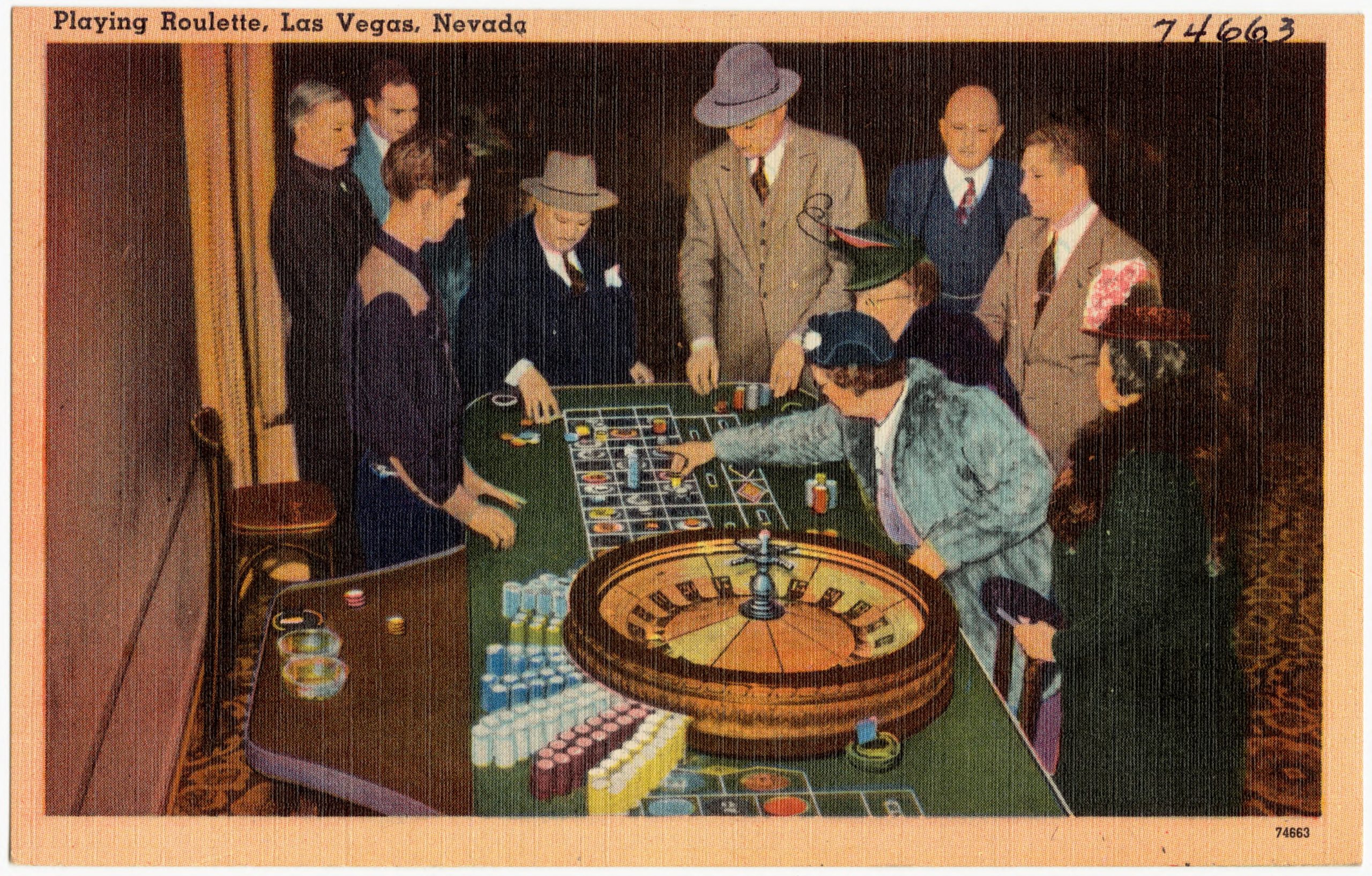
Live Dealer Roulette: What Actually Happens When You Spin
The first time I logged into a live dealer roulette table, I stared at my screen expecting it to feel fake. Instead, there’s a actual person across a video feed, a physical wheel behind them, and real money I’m about to lose in real time. That’s the whole appeal—and the whole unease.
Live roulette isn’t some digital simulation. It’s not computer-generated outcomes dressed up with graphics. You’re watching a croupier spin an actual roulette wheel while you place bets on a digital interface. Your bet isn’t calculated by RNG. It’s determined by a ball landing in an actual pocket on an actual wheel. That matters more than you’d think.
How the Mechanics Actually Work
Here’s the basic flow: you log in, you see a table with a real wheel and a real person running it. The interface shows you all the betting options—single numbers, ranges, colors, odd/even, all the standard roulette bets. You place your chips (or, digitally, your money) on whatever you want before the croupier closes betting. Usually that’s 30 to 60 seconds depending on the operator.
Once the betting window closes, the croupier spins the wheel and launches the ball. You watch it bouncing around. No cut, no angles, no zooming away. It lands. The croupier marks the winning number. The system automatically pays out winners and removes losing bets. Then the next round starts.
The camera work matters more than casual players realize. Most live dealers use multiple angles—close-ups of the wheel, wide shots of the table, sometimes angles from behind the croupier. Evolution Live Casino Games at the casino — Roulette, Blackjack & More uses slick production with multiple feeds and instant replays. It feels less like watching a casino and more like watching a broadcast. Which is partly the point.
Why You’re Actually Seeing What You Think You’re Seeing
The skepticism is reasonable. You’re placing bets through the internet. A video feed could theoretically be recorded, edited, or faked. So why trust it?
Licensing. Reputable operators like Evolution live games operate under strict regulatory oversight. Regulators (UK Gambling Commission, Malta Gaming Authority, others) audit these operations. They verify the wheels are legitimate. They check for manipulation. They review footage. An operator caught rigging a wheel loses their license instantly, which would tank their entire business. The economics don’t work for cheating.
That said—and I say this as someone who’s watched thousands of spins—live roulette still feels different than you’d expect. The variance hits different when you watch the wheel actually spin versus seeing a number pop on a screen. You feel the pause while the ball’s in motion. That’s not psychological trick. That’s just how human perception works.
The Actual Differences from Regular Digital Roulette
One thing people get wrong: live roulette isn’t “more fair” than digital roulette. Standard online roulette uses RNG (random number generator). Live roulette uses a physical wheel. Both are fair. The RNG is tested and certified. The wheel is regulated. Neither has an edge over the other in terms of randomness or fairness.
The difference is experience. With a wheel, you see the outcome being determined in real time. With RNG, it’s instant—you click, the result appears. No suspension. Some people find live roulette less stressful because of that extra moment. Others find it more stressful because they watch the ball the whole time and see hope die slowly.
There’s also the social angle. Many live tables let you chat. You’re technically playing alone, but you’re in a room with 5, 10, or 50 other players watching the same wheel. If you’ve ever checked out sports betting blog content for that community feel, live casino has something similar—you’re not just you anymore.
What You Should Know Before You Play
Betting limits at live tables vary wildly. Some allow €1 minimum, others €25. Maximum bets range from €100 to €50,000+ at VIP tables. Check before you sit down.
Connection matters. Live roulette requires a decent internet connection. Lag doesn’t stop your bets from going through (the house can always collect money), but it can cause you to miss the betting window or misunderstand what happened. I’ve lost internet mid-spin and had to trust what the system told me afterward. Not great.
Speed varies. Some tables do a spin every 40 seconds. Others every 2 minutes. Faster tables burn your bankroll faster. Slower tables let you think. Neither is inherently good or bad. Pick the rhythm that matches how you want to lose your money.
The house edge on roulette—both live and digital—is the same. European roulette has about a 2.7% edge for the casino. American roulette with two zeros has about 5.4%. The wheel being real doesn’t change math. Probability stays the same whether you’re watching it happen or seeing it computed. This is where that mathematical reality gets uncomfortable for a lot of players, but it’s worth understanding.
Live roulette is entertaining. It’s social. It feels more “real.” But it’s still roulette. The odds don’t care if you’re watching a wheel spin or staring at a screen. Go in knowing that, and the experience becomes something else entirely.
json
Leave a Reply