
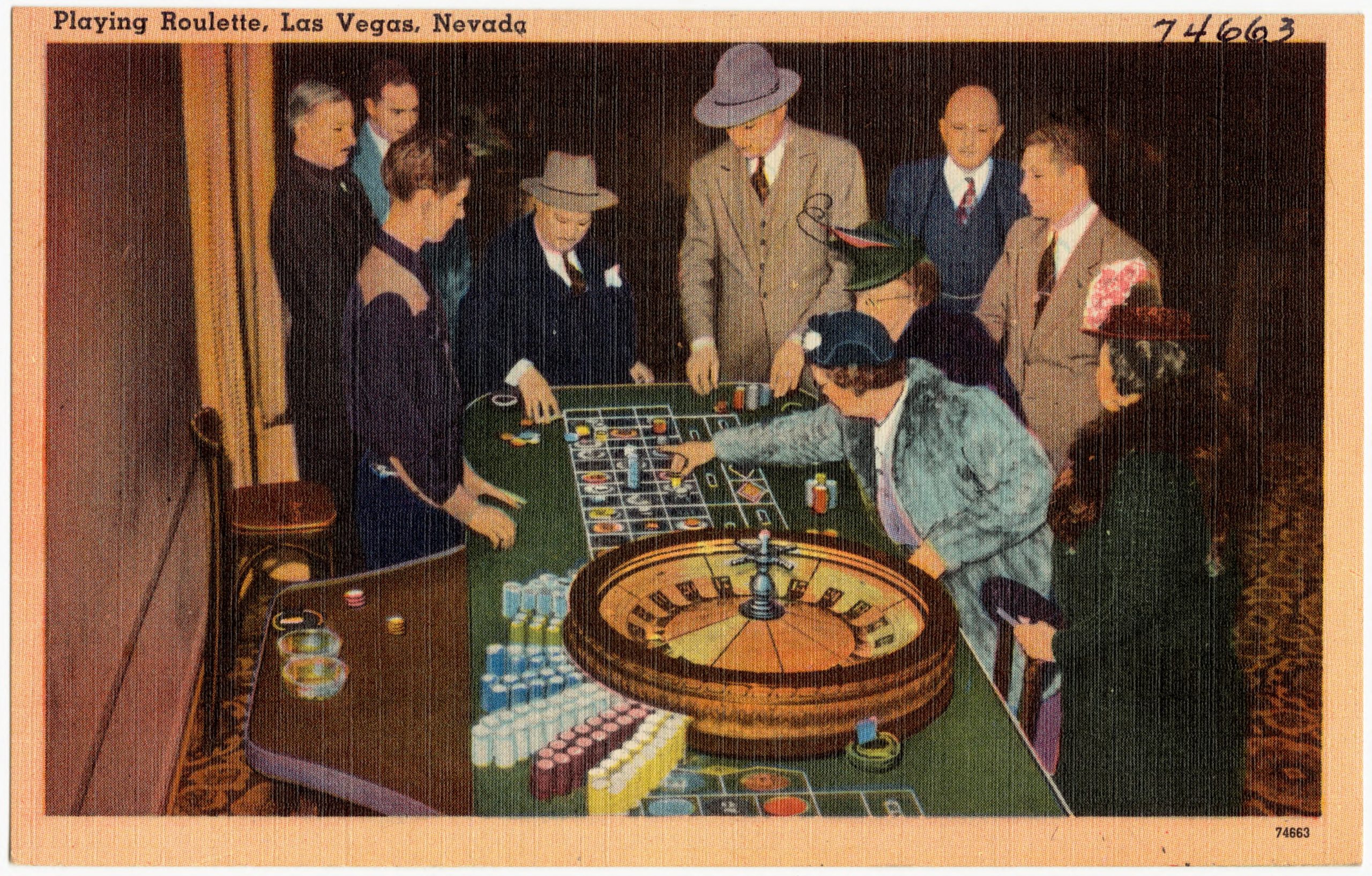
Live Dealer Roulette: What Actually Happens When You Spin
There’s something about watching a real person spin a real wheel that makes online gambling feel less like staring at a computer screen and more like you’re actually there. Live dealer roulette sits in that sweet spot between convenience and authenticity — you’re at home in your underwear, but the dealer is real, the wheel is real, and the tension when that ball lands is absolutely real.
But here’s the thing: most people have no idea how it actually works behind the scenes. They think they’re watching a live feed, place their bet, and hope for the best. They don’t know what’s keeping the whole thing honest, or how the casino pulls off streaming a roulette game to thousands of players at once.
The Basic Setup
You’ve got a dealer, a physical roulette wheel, a table where people place bets (sometimes just one person, sometimes multiple players), and multiple cameras. The casino broadcasts this to you in real-time. You see the wheel, the dealer spins it, a ball lands on a number, and your bet either wins or loses.
Sounds simple. But the logistics are actually kind of ridiculous when you think about it.
The cameras are positioned so you can see the wheel clearly from multiple angles. Some setups use an overhead shot, some use a close-up of the table, some use a side angle. Professional live casinos have invested serious money in making sure you get a clear view of what’s happening. This isn’t a home camera setup — the quality needs to be sharp enough that you can trust what you’re seeing.
The video stream goes to their servers, gets encoded, and gets sent to you. Depending on your internet connection, you might see it with barely any delay, or there might be a second or two of lag. That lag matters because it affects when you can place your bets. Most live roulette games have a betting window — once the dealer calls “no more bets” and spins the wheel, you’re locked out. The timing has to work for everyone connecting from different parts of the world.
How Your Bet Actually Gets Processed
You click on the number you want, confirm your bet, and it’s submitted to their system. On their end, they’re recording every bet placed by every player. When the wheel stops, the number is determined — not by software, but by physics. A real ball landed on a real wheel.
Then the system matches your bet against the result. Did you bet on 17? Did the ball land on 17? If yes, you win. If no, you lose. There’s no RNG deciding this. The outcome already happened before your bet was even fully processed.
This is actually one of the reasons people trust live dealer games more than standard online slots. With something like live casino at the casino, you’re not relying on an algorithm to tell you what happened. You watched it happen. The randomness is built into a physical object, not a computer program.
That said, the casino still has a mathematical edge. On a European roulette wheel, there are 37 numbers (0 through 36). If you bet on a single number, you’re getting paid 35 to 1 if you win. But you only have a 1 in 37 chance of winning. Over time, the casino keeps about 2.7% of all money wagered. That’s not a glitch — that’s how roulette is designed.
American roulette adds a double zero, which bumps the house edge up to 5.26%. Not great if you care about math.
What Makes It Fair?
Live games are regulated. The casinos offering them need licenses from gaming authorities. Cameras record everything. The wheel itself is inspected regularly. If something went wrong — if the wheel was rigged or the dealer was helping certain players — it would show up on camera.
That doesn’t mean it’s impossible for someone to cheat. But the stakes are high enough that trying it would be insanely risky. A casino license generates way more money than any individual scam could pull in.
Also, live games use specific betting interfaces that prevent certain kinds of fraud. You can’t claim you bet on a different number than you actually did — the system recorded exactly what you bet and when you bet it.
Why People Actually Prefer This
Honestly? It’s psychological. Watching a real wheel spin creates a sense of participation that clicking a button on a slot game doesn’t, even if slots like Fisherman’s Luck™ RTP — 96.13% Return Rate | High RTP Slot | Wazdan at the casino have perfectly fair RNG systems. The dealer adds a human element. You can see their expression. You can tip them (some games let you). You’re not just watching numbers change on a screen.
It’s slower than regular online roulette, which is actually another reason people like it. You have time to think between spins. Time to decide if you want to keep playing or cash out. Less mindless clicking, more actual decision-making.
Different live casinos use different software providers, and the quality varies. Some streams are butter-smooth, some are choppy. Some dealers are engaging, some just seem like they’re counting down the minutes until their shift ends. If you’re going to play, test a few different operators and see which one feels right.
Live roulette won’t make you money. Nothing in a casino will, long-term — that’s not pessimism, that’s math. But if you’re going to play roulette anyway, live dealer tables beat the software version. At least you know what you’re watching is real.
json
Leave a Reply