
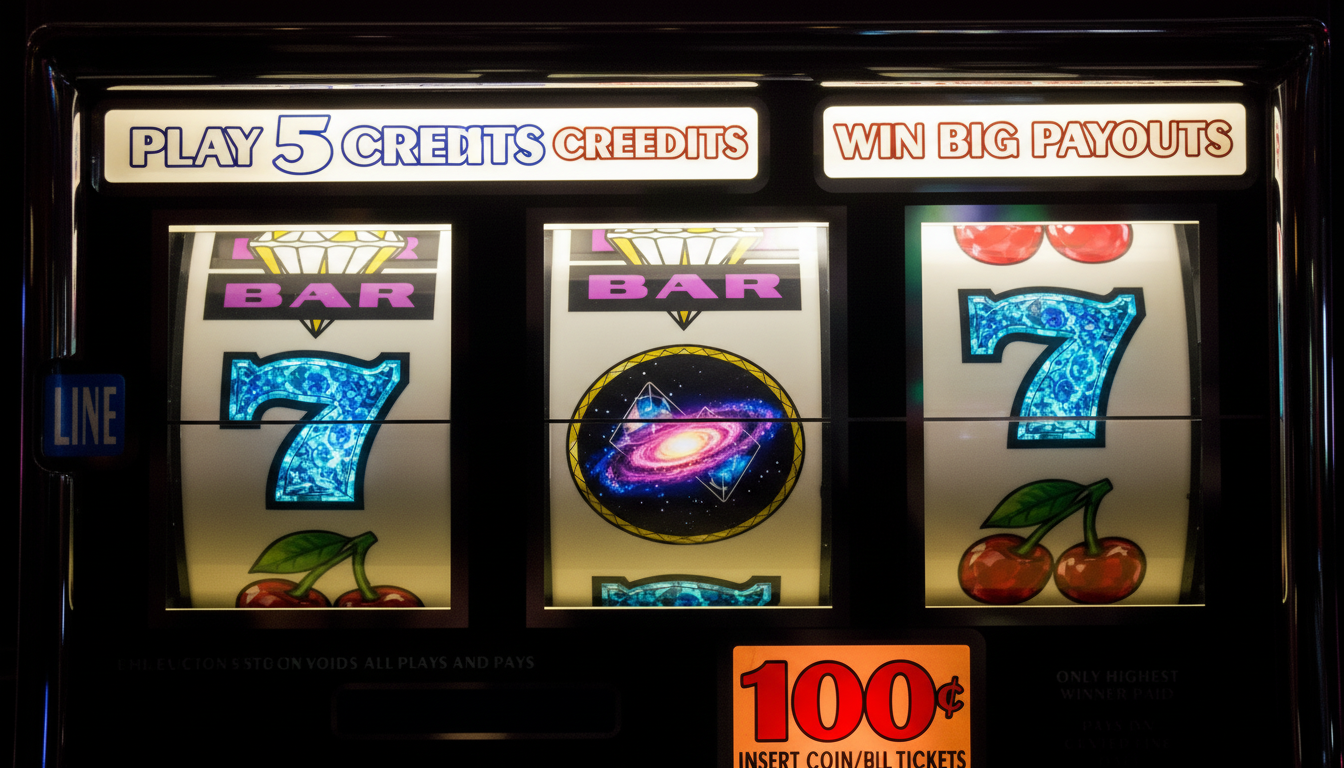
RTP Isn’t Magic—But It’s the Only Math That Matters
You’re staring at two slots on the casino online casino. One says 96.5% RTP. The other says 94.2%. You pick the first one because, well, it sounds better. But here’s the thing—most players have no idea what that percentage actually means, and even fewer understand whether it should change their choice at all.
RTP stands for Return to Player. It’s the percentage of all money wagered that a slot will theoretically pay back to players over a long, long time. If a slot has a 96.5% RTP and you put in €1,000, the math says you should get back around €965. That means the house keeps €35.
But—and this matters—that’s not what happens in your next session. Or your next ten sessions.
The Reality of the House Edge
A 96.5% RTP means a 3.5% house edge. Flip it around. Every bet you place, the casino expects to win 3.5% of it on average. That’s not per spin. That’s per million spins, across all players, across months or years.
In your 30-minute session? Variance takes over. You could hit three big wins in a row and leave up €200. You could play the exact same slot the next day, make the same bets, and walk away down €150. The RTP doesn’t care about your session. It’s a long-term prediction, not a promise.
This is why comparing slots on RTP alone doesn’t tell the full story, though it’s still worth doing.
Why High RTP Slots Make Sense (Most of the Time)
If you’re going to play anyway, and you’re betting the same amount, a 96.5% RTP slot loses you less money than a 94.2% RTP slot. Mathematically, that’s simple.
Over 1,000 spins at €1 per spin, the difference between 96.5% and 94.2% is roughly €23. That’s real money. Not huge, but real. And if you’re someone who plays regularly, those small percentage points add up fast.
Some players treat high-RTP slots like they’re cheat codes. They’re not. But they’re honest—they’re designed to give you better odds than the alternative. Slots like Gates of Olympus Slot Review — RTP, Bonus Features & Free Demo sit in that middle ground where volatility and payout rate create a kind of balance that appeals to a lot of people.
The Volatility Curve Ball
Here’s where RTP gets complicated. A slot with 96.5% RTP could have low volatility (steady, smaller wins) or high volatility (rare, massive wins). The RTP doesn’t tell you which. Two slots could both hit 96.5%, but feel completely different to play.
A low-volatility slot with 96.5% RTP will bleed your balance slowly. You’ll see wins often, but they’re usually smaller than your bet. Over time, the math catches up and you’re down. High-volatility slots with the same RTP can go silent for 20 spins, then hit you with a x50 multiplier. Same long-term math. Different heartbeat.
This is where personal preference enters the picture. If you hate losing your balance fast, high-RTP low-volatility slots feel safer. If you’re bored by constant micro-wins, you might tolerate higher variance for a shot at bigger paydays—even if the math is identical.
RTP Doesn’t Predict Your Luck
Some people watch RTP percentages like they’re reading tea leaves. “This one’s at 97%—it’s due to pay.” That’s not how probability works. Each spin is independent. The slot doesn’t know what it paid yesterday or what it “owes” today.
But here’s what RTP does do: it gives you a realistic expectation of how much of your money you’re likely to lose, on average, if you keep playing. That’s valuable information. It won’t change the outcome of your next 30 minutes, but it should change how much you’re willing to stake.
If you’re betting €2 per spin on a 94% RTP slot, your expected hourly loss (at a typical spin speed) could be anywhere from €3 to €15 depending on bonus frequency. Knowing that number helps you decide if this is entertainment you can afford.
Picking Slots: RTP Is a Floor, Not a Prediction
Think of RTP as a floor, not a ceiling. It’s the minimum fairness level. A high-RTP slot won’t make you rich, but it reduces the rate at which the house takes your money. That’s the only edge you’re getting.
When you’re choosing between games, check the RTP first. But also ask: What’s the volatility? How often does the bonus trigger? Does the base game have any buildup features? These matter more than you’d think for your actual experience at the screen.
And if you’re betting on sports too—say, I’ll keep gambling with fitness for England – Saka — What It Means for World Cup 2026 Betting—remember that slots are pure RNG. Sports betting at least lets you use judgment and research. Slots don’t. So the math becomes even more important.
High-RTP slots are worth choosing. But they’re not a system. They’re just slightly less bad math. And that’s honest, which is more than most gambling products offer.
—
json
Leave a Reply