
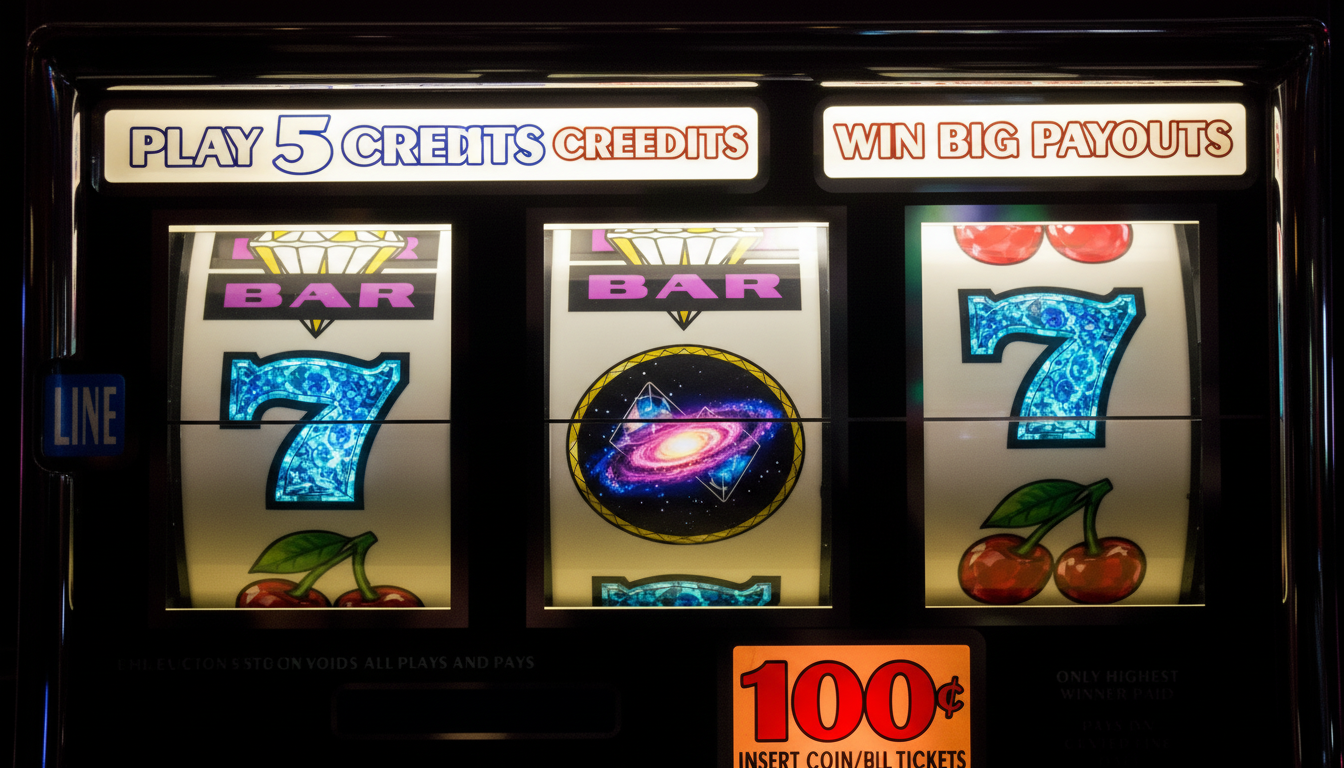
High RTP vs Low RTP Slots: What You Actually Feel at the Reels
Everyone talks about RTP like it’s the Holy Grail. “Play 96% RTP,” they say. “Avoid 92% RTP.” But here’s the thing nobody really explains: what does that actually *feel* like when you’re sitting there spinning?
I’ve spent enough time chasing wins across different RTPs to notice something interesting. The math is one thing. The experience is completely different.
The Math Part (Brief Version)
RTP means Return to Player — basically, over millions of spins, the game pays back a certain percentage to players. A 97% RTP slot returns 97 cents per dollar wagered over time. A 93% RTP returns 93 cents. The house keeps the difference.
Sounds simple. But when you’re actually playing? That gap doesn’t feel like 4%. It feels like something else entirely.
I tested this across several sessions. A high-RTP game from Pragmatic Play slots at 97% RTP versus a 92% game. Same stakes, similar volatility. Same number of spins.
The high-RTP slot didn’t just pay more. It paid *differently*. The rhythm of wins — small hits, medium hits, occasional decent ones — felt more frequent. Less dead space between winning spins.
Why Low RTP Feels Like a Slow Bleed
Low-RTP slots don’t usually ambush you with a massive loss. That’d be too obvious. Instead, they grind you down.
You spin. Nothing. Spin. Nothing. Small win that barely touches your stake. Spin. Nothing. Nothing. Another small win. Spin. Bigger loss than expected.
It’s not one bad moment. It’s a thousand tiny paper cuts. Your bankroll doesn’t explode — it just quietly shrinks while you convince yourself “the next bonus round will fix this.”
The psychological part is brutal. You’re not losing all at once, so your brain doesn’t trigger an alarm. You keep going. The slot’s designed to keep you *just* hopeful enough. And statistically, over time, that 5% difference in RTP adds up to real money leaving your wallet.
High RTP Feels Like You’re in the Game
Play something with 96%+ RTP for a few sessions and you notice the difference immediately. Not because you’re guaranteed wins — volatility still exists, you can still lose sessions.
But the *cadence* is different. Winning spins feel less rare. The gaps between them feel shorter. You get more micro-wins. More “oh, that’s something” moments instead of “oh, that’s basically nothing.”
Psychologically, this matters a lot. Even if the total amount you lose is slightly better, you *feel* more engaged. The game doesn’t feel like it’s actively working against you — it feels like you’re participating in something that occasionally goes your way.
I tested Viking Voyage RTP — 96.12% Return Rate | High RTP Slot | BetSoft at the casino across several sessions. That extra 1-2% versus lower-RTP alternatives really does show up in the feel of play. You hit more medium wins. Bonus rounds trigger slightly more often. The bankroll erosion is slower, which means longer sessions on the same budget.
The Volatility Wildcard
Here’s where it gets messy though. RTP doesn’t tell the whole story.
A high-RTP game with ultra-high volatility might pay you back that 97% through one massive hit every 500 spins. A lower-RTP game with low volatility might grind out small, consistent wins. Which feels better?
Depends entirely on what you want. If you like the ride, the swings, the hope of one big multiplier — high volatility might feel more exciting even at 94% RTP. If you want to stretch a budget and feel like the game isn’t punishing you every 30 seconds — low volatility at 96% RTP is the move.
The lesson? Don’t just chase RTP numbers. Actually think about how you want the game to *feel*. Check out casino tips and tricks to understand volatility better, because that’s honestly what shapes your session more than the percentage difference.
The Real Takeaway
High RTP slots don’t guarantee wins. They guarantee that the math works slightly more in your favor over time. But that “slightly” compounds into real money saved or lost across dozens of sessions.
What it *feels* like is you getting a fairer game. More frequent wins, less punishing drought periods, slower bankroll bleed. Not life-changing. Just… fairer.
That’s not hype. That’s just how the math translates into actual play.
—






Leave a Reply